








These practices are spreading throughout Catalonia (Agència Catalana de Turisme / Catalan Tourist Board) and Andalusia (Turismo Andaluz) 🍷 Codorníu Cavas (Raventós Codorníu) have adapted their underground galleries, while wineries like Jean Leon have added easy-to-read materials and tactile signage. In Jerez de la Frontera, Tío Pepe offers barrier-free routes. Universal accessibility transforms wine tourism into a comprehensive sensory experience, allowing all visitors to enjoy heritage and wine culture without limitations.
The country has consolidated an inclusive model of universal accessibility integrating wine, heritage, and culture without barriers
Spain reaffirms its leading role in accessible tourism through the promotion of inclusive wine tourism, offering adapted routes that cover the country’s most renowned wine regions. From Ribera del Duero to Jerez de la Frontera, Rioja Alavesa to the Penedés, the attractions include visits to wineries, museums, vineyards, and cultural initiatives with adapted infrastructure, ensuring that travelers with reduced mobility or sensory disabilities can fully enjoy the wealth of our wines and heritage.
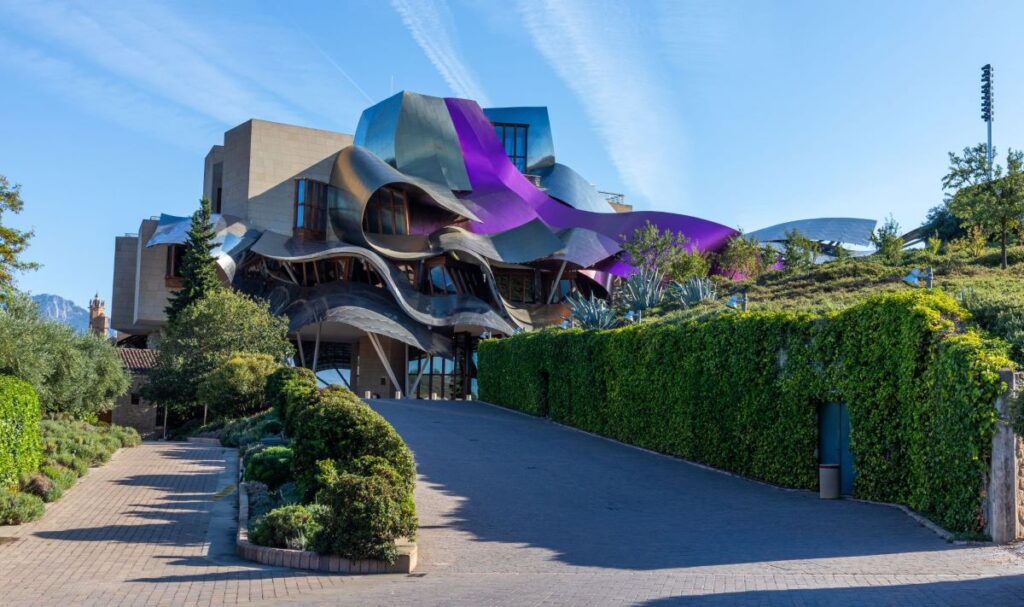
In Rioja Alavesa (Basque Country), iconic wineries such as Marqués de Riscal ensure accessibility in their tours through elevators, ramps, and adapted restrooms, as well as providing support materials for visitors with visual impairments. The medieval town of Laguardia has adapted part of its itineraries, with signposted streets and access developed for people with reduced mobility. On top of this wine experience, tourists will find an accommodation offering with adapted rooms in three- to five-star hotels and restaurants that have incorporated accessible menus and barrier-free spaces.In Ribera del Duero (Castile and León) internationally renowned wineries such as Vega Sicilia have committed to inclusive tourism with adapted access in reception and tasting areas. Peñafiel Castle, home to the Provincial Wine Museum, offers ramps, elevators, and 360º virtual tours as an alternative for those unable to explore its medieval spaces. In Aranda de Duero, key sites such as the Traditional Games Museum and the San Juan Sacred Museum present physical, visual, and auditory accessibility resources, including hearing loops and Braille signage.

The route continues in Penedés (Catalonia), where Cavas Codorníu has adapted its underground tours with elevators and stair lifts, in addition to offering audio guides and easy-to-read materials. The Jean Leon winery, with its design, has integrated tactile signage and accessible restrooms, combining sustainability and accessibility in its facilities.Finally, in Jerez de la Frontera and Montilla-Moriles (Andalusia), wine culture is open to all audiences. The Tío Pepe wineries have designed accessible tours with ramps, routes equipped with signage, and experiences adapted for visitors with sensory disabilities. At Alvear, accessible entrances have been developed in tasting rooms and visitor areas, as well as guided tours adapted to Spanish sign language. The equestrian shows and historical sites in the area have also reinforced their commitment to accessibility.
Beyond these wineries, the value of universally accessible wine tourism in Spain lies in the possibility of enjoying a comprehensive and inclusive experience: adapted transportation, accessible museums, signposted cultural routes, and sensory experiences combining gastronomy, wine, and heritage.
ARTICLE CREDIT; SPAIN IN IRELAND – LINKEDIN
